
CHINESE JOURNAL OF PARASITOLOGY AND PARASITIC DISEASES ›› 2026, Vol. 44 ›› Issue (4): 517-524.doi: 10.12140/j.issn.1000-7423.2026.04.009
• ORIGINAL ARTICLES • Previous Articles Next Articles
XIA Shang1,2( )(
 ), XUE Jingbo1, HAO Yuwan1, LI Zhen1, TIAN Tian1, NI Haobo1, SHEN Yujuan1,2, ZHENG Bin1,2,*()(), LI Shizhu1,2,*()()
Received:2026-07-29
Revised:2026-08-16
Online:2026-08-30
Published:2026-08-21
Contact:
* E-mail: zhengbin@nipd.chinacdc.cn,
lisz@chinacdc.cnCLC Number:
XIA Shang, XUE Jingbo, HAO Yuwan, LI Zhen, TIAN Tian, NI Haobo, SHEN Yujuan, ZHENG Bin, LI Shizhu. Assessment of the risk of cyclosporiasis importation into China[J]. CHINESE JOURNAL OF PARASITOLOGY AND PARASITIC DISEASES, 2026, 44(4): 517-524.
Add to citation manager EndNote|Ris|BibTeX
URL: https://www.jsczz.cn/EN/10.12140/j.issn.1000-7423.2026.04.009
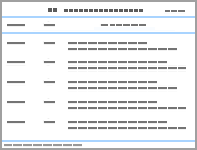
Table 1
Global prevalence of Cyclospora infections
| 指标 Indicators | 感染情况 Infection status | 结果说明 Result explanation |
|---|---|---|
| 已报告人体感染国家数 Number of countries with reported human cases | 54 | 分布广泛,但不等同于均存在地方性流行 Wide distribution, not equivalent to endemiceverywhere |
| 报告过暴发的国家数 Number of countries that have reported outbreaks | 至少13个 At least 13 | 暴发多见于监测和病例报告体系较完善的国家 Outbreaks in countries with well-developed surveillance and case reporting systems |
| 全球合并感染率 Global combined infection rate | 3.4%(5 636/166 611) | 来自42个国家、150项研究的Meta分析 A meta-analysis of 150 studies from 42 countries |
| 非洲合并感染率 Combined infection rate in Africa | 5.9%(606/11 068) | 各大洲中最高 The highest on each continent |
| 低收入国家合并感染率 Combined infection rate in low-income countries | 7.6%(83/921) | 高于高收入国家 Higher than in high-income countries |
| 高收入国家合并感染率 Combined infection rate in high-income countries | 0.4%(79/17 419) | 多为旅行相关病例或进口食品相关暴发 Mostly travel-associated cases or outbreaks linked to imported food |
Table 2
Major historical pandemics in the world
| 年份 Year | 国家/地区 Country/Region | 病例数/情况 No. cases/conditions | 主要暴露或流行病学结论 Main exposure or epidemiological findings | 参考文献 References | ||
|---|---|---|---|---|---|---|
| 1996 | 美国、加拿大 United States, Canada | 1 465 | 与危地马拉进口覆盆子相关,是北美标志性跨国暴发 An iconic North American transnational outbreak linked to raspberries imported from Guatemala | [ | ||
| 1997 | 美国、加拿大 United States, Canada | 1 012 | 再次与危地马拉进口覆盆子相关 Once again, regarding raspberries imported from Guatemala | [ | ||
| 2010 | 澳大利亚出发的两次邮轮航程 Two cruise voyages departing from Australia | 266例,其中73例实验室确诊 266 cases, 73 laboratory-confirmed | 疑与生菜有关,提示旅行团和集中供餐场景可形成聚集暴露 Suspected link to lettuce; indicating clustered exposure in tour groups and centralized catering settings | [ | ||
| 2013 | 美国多州 Several U.S. states | 631例实验室确诊 631 laboratory-confirmed | 部分病例与墨西哥产沙拉原料相关 Some cases linked to salad ingredients produced in Mexico | [ | ||
| 2014 | 美国19州 19 U.S. states | 304例确诊 304 confirmed cases | 春夏季国内获得性病例增加 Increased domestically acquired cases in spring and summer | [ | ||
| 2015 | 美国31州 31 U.S. states | 546例确诊 546 confirmed cases | 与进口新鲜农产品有关的聚集性事件持续出现 Cluster outbreaks linked to imported fresh agricultural products continue to occur | [ | ||
| 2015 | 英国、加拿大返境 Returning from the United Kingdom and Canada | 英国79例、加拿大97例 79 cases in the United Kingdom, 97 cases in Canada | 均与墨西哥Riviera Maya地区旅行相关 All linked to travel in Mexico’s Riviera Maya region | [ | ||
| 2016 | 美国得克萨斯州 Texas, U.S. | 聚集性病例 Cluster of cases | 餐厅相关,流行病学证据提示与凉拌卷心菜和胡萝卜有关 Related torestaurants; epidemiological evidence linking to coleslaw and carrots | [ | ||
| 2017 | 美国 United States | 1 065 | 其中得州38例与青葱有关;多数病例未能明确食品来源 38 cases in Texas linked to green onions; food source unidentified for most cases | [ | ||
| 2018 | 美国4州 4 U.S. states | 250例实验室确诊 250 laboratory-confirmed | 与含西兰花、花椰菜、胡萝卜和莳萝蘸酱的预包装蔬菜托盘有关;8例住院 Related to prepackaged vegetable trays containing broccoli, cauliflower, carrots, and dill dip; 8 hospitalizations | [ | ||
| 2018 | 美国16州 16 U.S. states | 511例实验室确诊 511 laboratory-confirmed | 与麦当劳供应的沙拉有关;24例住院。未使用的长叶生菜-胡萝卜混合包装中检出环孢子虫 Linked to salads supplied by McDonald’s; 24 hospitalizations. Cyclospora detected in unopened packages of romaine lettuce and carrot mix | [ | ||
| 2018 | 美国 United States | 2 299例实验室确诊 2 299 laboratory-confirmed | 年度内获得性病例显著增多,多起食品相关聚集事件并存 A significant increase in cases acquired during the year, with multiple food-related outbreaks occurring simultaneously. | [ | ||
| 2019 | 美国11州 11 U.S. states | 205例实验室确诊 205 laboratory-confirmed | 与墨西哥进口新鲜罗勒相关 Regarding imports of fresh basil from Mexico | [ | ||
| 2019 | 美国 United States | 2 408例报告病例 2 408 reported cases | 超过2018年,为当时美国年度报告病例高点 Exceeding the 2018 figure, which marked the peak in reported cases in the U.S. that year | [ | ||
| 2020 | 美国13州 13 U.S. states | 690 | 与袋装沙拉相关;涉及冰山生菜、红甘蓝和胡萝卜等原料。污染源未能完全锁定,但相关灌溉水渠检出环孢子虫 Related to bagged salads;involving ingredients such as iceberg lettuce, red cabbage and carrots. Source of contamination not fully identified; Cyclospora detected in associated irrigation canals | [ | ||
| 2020 | 美国 United States | 1 441例实验室确诊 1 441 laboratory-confirmed | 年度报告病例仍维持高位 Annual reported cases remaining at high levels | [ | ||
| 2021 | 美国 United States | 1 020例实验室确诊 1 020 laboratory-confirmed | 涉及36州及1个辖区;调查两起多州聚集事件,共170例,未锁定具体食品 Involving 36 states and 1 territory; investigating two multi-state outbreaks totaling 170 cases, specific food item unidentified | [ | ||
| 2021 | 加拿大 Canada | 75例非旅行相关病例 75 non-travel-related cases | 春夏季增加,未确定共同污染来源 Increases observed in spring and summer; common source of contamination not identified | [ | ||
| 2022 | 加拿大 Canada | 325例非旅行相关病例 325 non-travel-related cases | 主要分布于安大略省(260例)、魁北克(57例);未明确共同食品来源 Predominantly in Ontario (260 cases) and Quebec (57 cases); common food source not identified | [ | ||
| 2022 | 美国佛罗里达州 Florida, U.S. | 513,其中486例实验室确诊 513, 486 laboratory-confirmed | 较2021年的254例增加1倍 Doubling from 254 cases in 2021 | [ | ||
| 2023 | 美国阿拉巴马州 Alabama, U.S. | 47 | 墨西哥风味餐厅相关;病例对照研究显示香菜为最可能食品,追溯至墨西哥来源供应链 Linked to Mexican-style restaurants; case-control studies indicate cilantro as the most probable food vehicle, traced to supply chains originating in Mexico | [ | ||
| 2023 | 加拿大 Canada | 398例非旅行相关病例 398 non-travel-related cases | 安大略328例、魁北克46例;来源未明 328 cases in Ontario and 46 in Quebec; source unknown | [ | ||
Table 3
Historical epidemics of cyclosporiasis in China
| 地区 Region | 采样时间 Year | 调查对象/检测方法 Study population/Testing method | 样本量 Sample size | 阳性数 No. positive cases | 检出率/% Positive rate/% | 参考文献 References |
|---|---|---|---|---|---|---|
| 福建 Fujian | 1995 | 腹泻患儿;显微镜检查 Children with diarrhea; microscopic examination | 1 | 1 | - | [ |
| 云南 Yunnan | 1997—2000 | 腹泻患者;显微镜检查 Patients with diarrhea; microscopic examination | 378 | 15 | 4.00 | [ |
| 安徽 Anhui | 2001 | 不同人群;显微镜检查 Different populations; microscopic examination | 610 | 14 | 2.30 | [ |
| 河南 Henan | 2007—2009 | 医院患者;显微镜检查 Hospital patients; microscopic examination | 11 554 | 81 | 0.70 | [ |
| 河南 Henan | 2011—2015 | 人群;PCR及多位点分型 Population; PCR and multiplex genotyping | 6 579 | 76 | 1.20 | [ |
| 上海、江苏 Shanghai, Jiangsu | 2011—2015 2019—2021 | 腹泻患者;PCR Patients with diarrhea; PCR | 5 341 | 13 | 0.20 | [ |
| 上海 Shanghai | 2013 | 腹泻门诊患者;PCR Outpatients with diarrhea; PCR | 291 | 5 | 1.70 | [ |
| 广西 Guangxi | 2015 | 猴场工作人员及附近村民;PCR Staff at the monkey farm and nearby villagers; PCR | 50 | 5 | 10.00 | [ |
| 黑龙江 Heilongjiang | 2016—2017 | 特定人群;PCR Specific populations; PCR | 601 | 7 | 1.20 | [ |
| 浙江 Zhejiang | 2019 | 腹泻门诊患者;PCR Outpatients with diarrhea; PCR | 489 | 3 | 0.60 | [ |
Table 4
Indicators and weights for assessing the risk of cyclosporiasis importation into China
| 一级指标 First-grade index | 一级权重 First-weight | 二级指标 Second-grade index | 二级权重 Second-weight |
|---|---|---|---|
| 传染源 Source of infection | 0.432 | 近3年本地感染病例情况 Local cases in the past three years | 0.099 |
| 近3年输入性病例情况 Imported cases in the past three years | 0.118 | ||
| 近3年国外感染病例情况 Foreign cases in the past three years | 0.034 | ||
| 国外流行区与我国交往密切程度 The relationship between foreign endemic areas and our country | 0.084 | ||
| 美国高风险食品与我国贸易往来密切程度 The extent of trade between the United States and China in high-risk foods | 0.096 | ||
| 传播因素 Communication factors | 0.295 | 我国环孢子虫本地传播的季节适宜性 Seasonal suitability for local transmission of Cyclospora in China | 0.058 |
| 食品供应链跨境污染风险 Risks of cross-border contamination in the food supply chain | 0.098 | ||
| 我国易感人群分布与暴露水平 Distribution and exposure levels of susceptible populations in China | 0.082 | ||
| 环孢子虫卵囊在外界环境中的存活与传播条件 Survival and transmission conditions of Cyclospora oocysts in the external environment | 0.055 | ||
| 防控影响因素 Prevention an control factors | 0.272 | 输入性病例或污染食品的截获检测能力 Capacity for detection and interception of imported cases or contaminated food | 0.056 |
| 公众对环孢子虫病的认知程度 Public awareness of cyclosporiasis | 0.044 | ||
| 食品安全监测与防控措施的实施力度 Enforcement of food safety surveillance and prevention and control measures | 0.066 | ||
| 医疗机构对环孢子虫病的诊断能力 Diagnostic capacity of medical institutions for cyclosporiasis | 0.041 | ||
| 食源性或水源性寄生虫病监测网络完善程度 Completeness of surveillance network for foodborne or waterborne parasitic diseases | 0.063 |
Table 5
Indicators and weights for assessing the severity of consequences caused by cyclosporiasis importation into China
| 指标 Index | 权重 Weight | 0分 Score 0 | 1分 Score 1 | 2分 Score 2 | 3分 Score 3 | 4分 Score 4 |
|---|---|---|---|---|---|---|
| 传染性 Infectivity | 0.220 | 个案发生 Individual cases | 易于控制 Easy to control | 较难控制 Difficult to control | 很难控制 Very hard to control | 传播途径不明、无法控制 The transmission path is unknown and uncontrollable |
| 致病严重程度与致死率 Severity of the disease and mortality rate | 0.244 | 无 None | < 1% | 1%~10% | > 10%~50% | > 50% |
| 治疗有效性 Effectiveness of the treatment | 0.218 | 可自愈 Self-healing | 很有效 Striking effect | 较有效 Not very effective | 效果甚微 Little effect | 无效 No effect |
| 对社会稳定的影响 Impact onsocialstability | 0.161 | 可忽略 Negligible | 较小 Small | 中等 Moderate | 较大 Sever | 很严重 Disastrous |
| 对食品贸易与经济的影响 Impact on food trade and the economy | 0.155 | 可忽略 Negligible | 较小 Small | 中等 Moderate | 较大 Sever | 很严重 Disastrous |
Table 6
Risk matrix for imported cyclosporiasis
| 风险等级 Risk Level | 发生可能性 Risk probability | 水平1(可忽略) Level 1 (Negligible) | 水平2(较小) Level 2 (Little) | 水平3(中等) Level 3 (Moderate) | 水平4(较大) Level 4 (Severe) | 水平5(灾难性) Level 5 (Disastrous) |
|---|---|---|---|---|---|---|
| A | 几乎确定 Almostcertainly | H | H | E | E | E |
| B | 很可能 Be likely to | M | H | H | E | E |
| C | 可能 Possible | L | M | H | E | E |
| D | 不太可能 Unlikely | L | L | M | H | E |
| E | 罕见 Rare | L | L | M | H | H |
|
| [1] | HULALAI Hader, ZUO Qingqiu, GULIBANU Aimaier, LI Shizhu, ZHENG Bin, SHEN Yujuan. Progress on the epidemiological characteristics, detection techniques, and control strategies of Cyclospora cayetanensis [J]. CHINESE JOURNAL OF PARASITOLOGY AND PARASITIC DISEASES, 2026, 44(4): 468-476. |
| [2] | HAO Mingming, LI Rong, CHEN Ran, GAO Yuanyuan, DUAN Xiaoyun. Spatiotemporal clustering analysis of seropositivity of key foodborne parasites in Dali Bai Autonomous Prefecture from 2019 to 2023 [J]. CHINESE JOURNAL OF PARASITOLOGY AND PARASITIC DISEASES, 2026, 44(1): 28-34. |
| [3] | ZHANG Zhongshuang, ZHANG Guangjia, YAO Renxin, YANG Liu, YU Wenjie, HE Wei, LIAO Sha, HUANG Yan, WANG Qian. Research on the construction of risk assessment system for the transmission of echinococcosis endemic sites in Sichuan Province [J]. CHINESE JOURNAL OF PARASITOLOGY AND PARASITIC DISEASES, 2025, 43(1): 37-43. |
| [4] | YANG Shuo, XIA Shang, YAN Shuning, XUE Jingbo, SHI Benyun, HAO Yuwan, LI Mengru, LIANG Jiarui, XIA Zhigui, ZHENG Bin. Analysis on the sources of imported malaria risk in China based on international trade relations [J]. CHINESE JOURNAL OF PARASITOLOGY AND PARASITIC DISEASES, 2023, 41(6): 744-748. |
| [5] | Xiao-jun MENG, Sheng-hua ZONG, Dong-lin GAO, Xuan ZHANG, Yan-hua QIAN, Bing LU. Risk assessment of schistosome infection after transmission interruption based on the fuzzy comprehensive evaluation method [J]. CHINESE JOURNAL OF PARASITOLOGY AND PARASITIC DISEASES, 2017, 35(6): 626-628. |
| [6] | Tian-mu CHEN, Shao-sen ZHANG, Shui-sen ZHOU. Progress in research on risk assessment approach and parameters for malaria re-emergence [J]. CHINESE JOURNAL OF PARASITOLOGY AND PARASITIC DISEASES, 2017, 35(5): 489-494. |
| [7] | LEI Lei1,2, Mamatjan UMAR1,3, LI Zhi-hong2, XIA Zhi-gui1, XIA Shang1, GONG Yan-feng2, XIAO Ning1*. Research Progress on Risk Assessment of Secondary Transmission of Imported Malaria [J]. , 2016, 34(5): 16-468. |
| [8] | YIN Shou-qin1,XIA Shang2,ZHOU Xing-wu3,YANG Ya-ming3,XIA Zhi-gui2,. Risk Assessment for Malaria Transmission in the Border Area of Yunnan Province [J]. , 2016, 34(3): 13-255-260. |
| [9] | ZHOU Xiao-nong1,ZHANG Shao-sen1,XU Jun-fang1,2,XIA Zhi-gui1,WANG Ru-bo1,QIAN Ying-jun1,ZHOU Shui-sen1,YANG Wei-zhong3. Risk Assessment for Malaria Elimination in P. R. China [J]. , 2014, 32(6): 2-414-418. |
| [10] | QIAN Ying-jun, LI Shi-zhu, WANG Qiang, ZHANG Li, LIU Wei, CHEN Jia-xu,. Rapid Risk Assessment on the Import of American Trypanosomiasis to China [J]. , 2013, 31(1): 13-57-59. |
| [11] | XU Jing, LI Shi-Zhu, HUANG Yi-Xin, CAO Zhi-Guo, CHU Zu-Wu, TUN Cheng-GuO, MIU Feng, DANG Hui, ZHANG Li-Juan, CHEN Zhao, WANG Li-Ying, GUO Jia-Gang, ZHOU Xiao-Nong. Risk Evaluation of Schistosomiasis japonica in Potential Endemic Areas in China [J]. , 2012, 30(6): 3-428-433. |
| Viewed | ||||||
|
Full text |
|
|||||
|
Abstract |
|
|||||
